Touch and Healing
Throughout human history, the act of “laying on of hands” has been a cornerstone of medicine and spiritual practice. Long before the advent of modern pharmaceuticals or diagnostic imaging, the primary tool for healing was the physical presence and touch of a caregiver. Today, contemporary science is validating these ancient practices, revealing that touch is a potent clinical intervention that can accelerate physical recovery, manage chronic pain, and restore psychological equilibrium. The relationship between Touch and Healing is not just anecdotal; it is a physiological reality.
The Physiology of Recovery
Healing is an energy-intensive process for the human body. When we are injured or ill, the body must divert resources toward cellular repair and immune defense. However, stress and anxiety—common companions to illness—activate the sympathetic nervous system, often referred to as the “fight or flight” response. This state consumes vast amounts of energy and can actually inhibit the body’s natural healing mechanisms.
Physical touch acts as a biological “reset button.” By stimulating pressure receptors under the skin, touch increases vagal activity, which in turn shifts the body into the parasympathetic “rest and digest” state. In this state, heart rate slows, blood pressure stabilizes, and the body can prioritize the repair of damaged tissues.
Pain Management and the Gate Control Theory
One of the most immediate applications of touch in healing is the management of pain. The Gate Control Theory of Pain, proposed by Ronald Melzack and Patrick Wall, suggests that the spinal cord contains a neurological “gate” that either blocks pain signals or allows them to pass through to the brain.
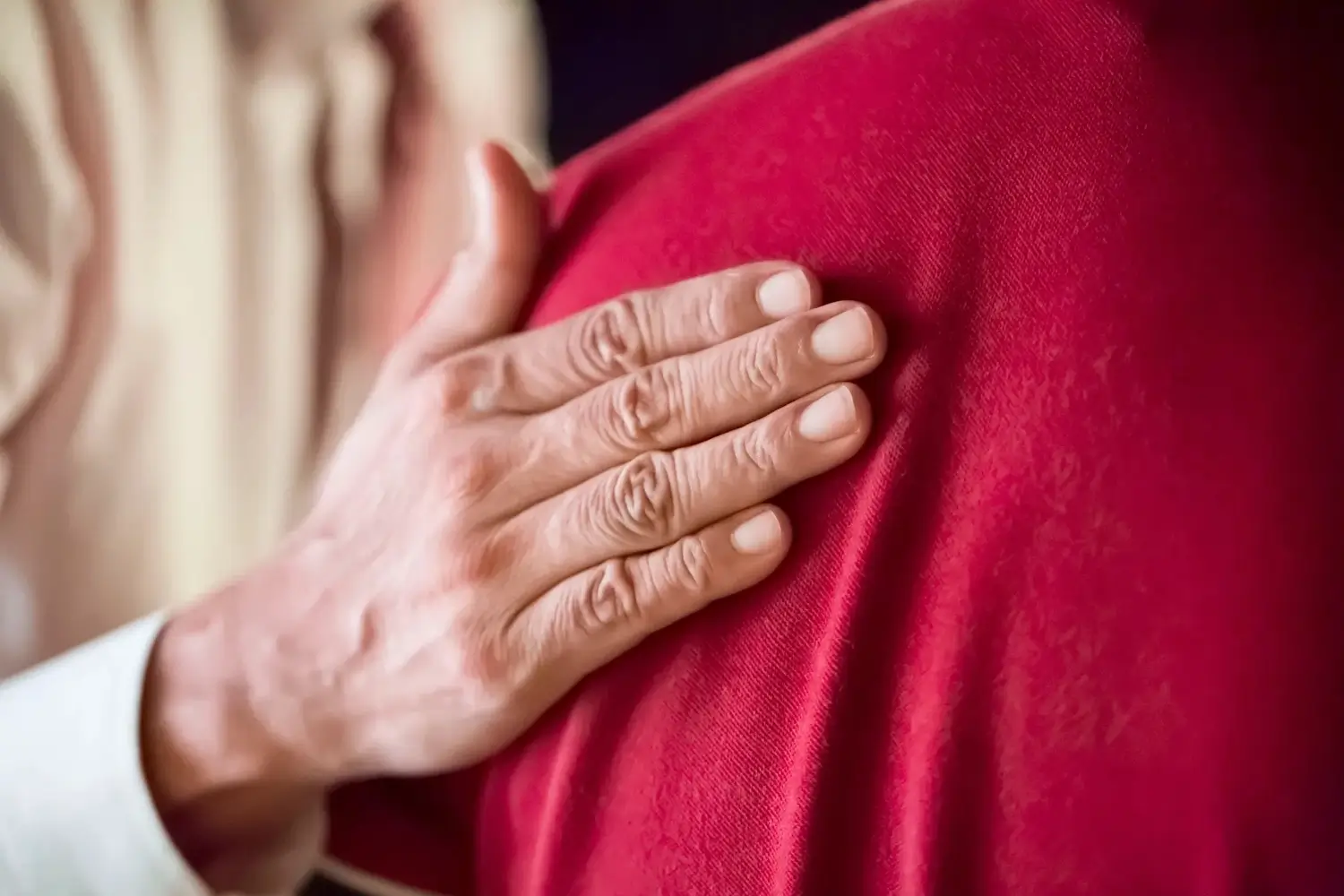
Non-painful tactile input, such as rubbing a sore muscle or holding a patient’s hand, stimulates large-fiber nerves. These signals travel faster than the small-fiber nerves that carry pain sensations. By “crowding” the neurological pathway, touch can effectively close the gate on pain signals, providing immediate relief without the need for medication. This is why we instinctively rub an area of the body after bumping it; we are using the science of touch to override the sensation of pain.
The Role of Touch in Modern Clinical Settings
In the high-tech environment of modern hospitals, the “human element” can sometimes be lost. However, research has shown that integrating intentional touch into clinical care leads to better patient outcomes.
- Neonatal Intensive Care (NICU): “Kangaroo Care,” or skin-to-skin contact between parents and premature infants, has been shown to improve oxygen saturation levels, promote better sleep, and lead to earlier discharge from the hospital.
- Post-Operative Recovery: Patients who receive brief moments of supportive touch from nursing staff (such as a hand on the shoulder during an intake interview) report lower levels of pre-surgical anxiety and often require fewer pain medications post-surgery.
- Oncology: Therapeutic massage and gentle touch have become vital components of integrative oncology. While touch does not cure cancer, it significantly reduces the fatigue, nausea, and depression associated with chemotherapy and radiation.
Psychosocial Healing and the Placebo Effect
The healing power of touch is not limited to the physical body; it is equally vital for the mind. Trauma, particularly when experienced early in life, can leave the nervous system in a state of permanent dysregulation. Touch-based therapies, such as somatic experiencing, help “re-negotiate” the body’s relationship with safety. For someone whose body has been a site of trauma, experiencing safe, consensual, and professional touch can be a profound step toward psychological integration.
Furthermore, touch plays a significant role in the placebo effect—which is better understood as the “care effect.” The ritual of being touched by a healer communicates to the brain that “help has arrived.” This psychological reassurance triggers the brain to release its own internal pharmacy of endorphins and dopamine, facilitating a healing environment from the inside out.
Practical Applications for Everyday Healing
You do not need to be a medical professional to harness the healing power of touch. In our daily lives, we can facilitate healing for ourselves and others through:
- Consensual Support: Offering a hand to hold or a hug to someone going through an emotional crisis provides immediate neurological stabilization.
- Self-Soothing: Techniques such as placing a hand over your own heart during times of high stress can stimulate the release of oxytocin and calm the amygdala.
- Massage and Bodywork: Regular professional bodywork helps manage the “micro-traumas” of daily stress, preventing them from manifesting as chronic physical illness.
Conclusion
Touch is the most basic, yet most profound, tool for healing available to us. It bridges the gap between the physical and the emotional, providing a sense of safety that allows the body to do what it does best: recover. As we continue to advance in medical technology, we must ensure we do not abandon the power of the healing hand. In the end, the most sophisticated medicine may simply be the presence and touch of another human being.