
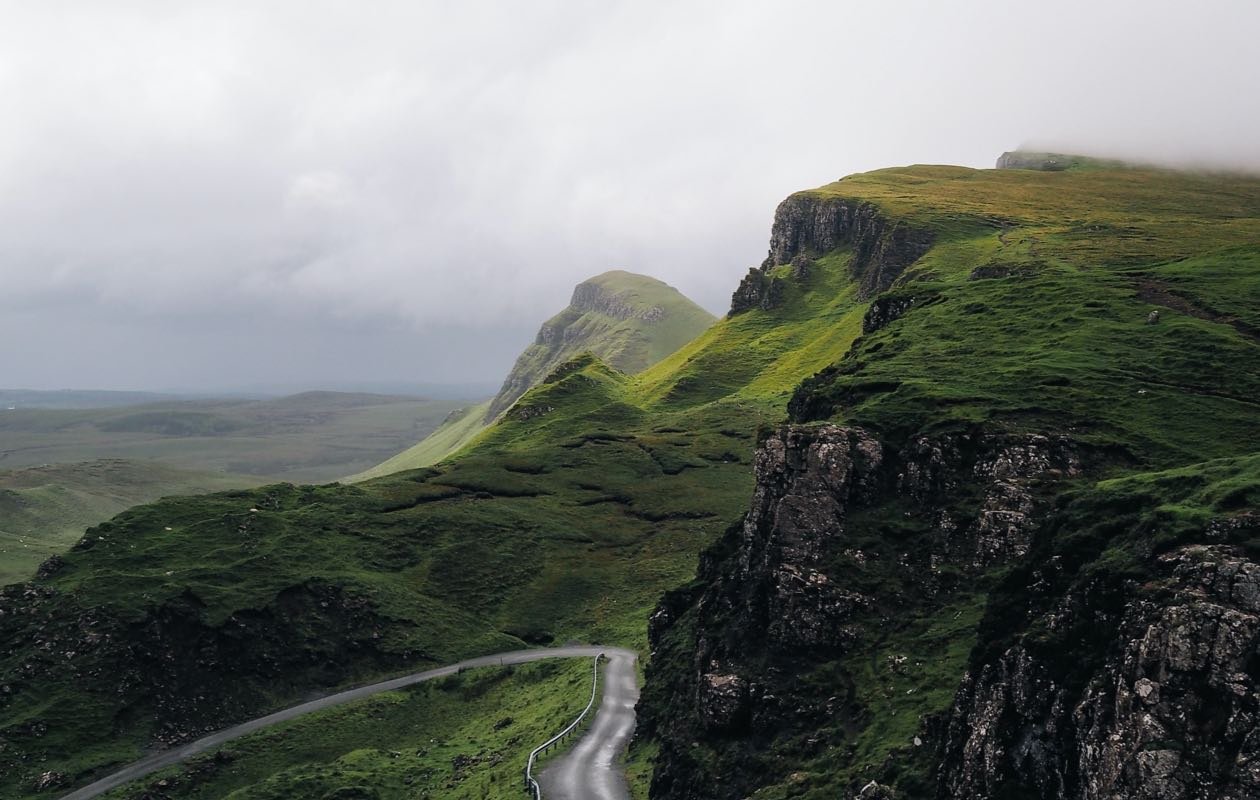
Stone, Moss, and Silence: Finding Beauty in Galician Villages
To walk through a traditional Galician village is to witness a slow dance between man and nature. Here, the boundaries are blurred. The granite of the houses seems to grow directly out of the earth, and the moss that clings to the stones feels like a protective layer of velvet, softening the edges of time. In these small clusters of dwellings, often tucked away in the folds of the misty hills, silence isn’t just the absence of noise—it is a physical presence. It is a silence that invites you to lower your voice, to slow your pace, and to look closer at the intricate details that define our home.
At Casa Francésca, we are deeply inspired by this raw, honest beauty. The villages of Galicia are a masterclass in texture and resilience. They remind us that true luxury is found in materials that age with grace, in spaces that offer shelter without demanding attention, and in the profound peace that comes from living in harmony with the landscape.
The Strength of Granite
The soul of a Galician village is written in stone. Granite is everywhere—in the high walls of the pazos, the sturdy foundations of the barns, and the narrow, winding paths that connect the houses. It is a material that speaks of strength and permanence. As a designer, I am fascinated by the grey-to-black spectrum of this stone, especially when it is damp from the morning mist. It provides the perfect neutral anchor for our aesthetic, a solid foundation upon which the more delicate elements of life can flourish.
When you walk past these ancient structures, notice the craftsmanship. These aren’t just buildings; they are sculptures. The way the stones are fitted together, often without mortar, is a testament to a time when building was a slow, deliberate act of love. This is the “Mindful Touch” in its most ancient form—a connection to the earth that remains unbroken after hundreds of years.
The Softness of Moss
If the stone is the bone of the village, then the moss is its skin. In the damp, shaded corners of our region, moss grows with a lushness that is almost impossible to describe. It covers the walls, the roofs, and the stairs in a thick carpet of matte green. It is the color of silence.
This contrast between the hard, cold stone and the soft, living moss is the heart of our visual identity. It represents the balance we strive for at Casa Francésca: the strength of a sanctuary and the softness of a home. There is something deeply comforting about the way the moss reclaims the stone, turning a grey wall into a living tapestry. It reminds us that even in the most rugged environments, there is room for softness, for growth, and for unconditional beauty.
The Sanctuary of the Horreo
One of the most iconic sights in any Galician village is the hórreo—the traditional stone and wood granary raised on pillars to protect the harvest. These structures are more than just functional storage; they are architectural symbols of the region’s spirit. Standing tall and elegant against the backdrop of the emerald hills, they look like tiny temples dedicated to the earth’s bounty.
I often find myself standing still before an old hórreo, watching the way the shadows fall across its wooden slats. It is a perfect example of “Gilded Shadows”—the beauty that emerges when light and structure intersect. In the simplicity of the hórreo, we find the essence of Galician luxury: a focus on what is essential, a respect for tradition, and a deep appreciation for the cycles of nature.
The Ritual of the Quiet Walk
We often suggest to our guests that they visit these villages during the early morning or the late afternoon, when the light is at its most transformative. Leave your camera in your pocket for a while. Just walk. Let the silence of the stone settle around you. Notice the scent of woodfire in the air, the distant sound of water trickling through a stone fountain, and the way the mist clings to the valleys below.
In these moments, the weight of the modern world begins to lift. You realize that you don’t need much to feel whole. A path beneath your feet, a stone wall to lean against, and the vast, green silence of Galicia are enough. This is the return to your “Natural State” that we talk about—a stripping away of the unnecessary until only the truth remains.
Bringing the Village Home
When you return to Casa Francésca after a day spent in the villages, you will see the influence of these ancient places in every corner of our sanctuary. We have brought the stone, the textures, and the silence inside, creating a space where the outside world and the inner world can meet in peace.
The villages of Galicia are not just places on a map; they are reminders of a different way of being. They teach us that there is beauty in the weathered, strength in the quiet, and luxury in the simple. We invite you to step into the silence, to touch the moss-covered stones, and to find your own sense of peace in the hidden heart of our region.
Stone, Moss, and Silence: Finding Beauty in Galician Villages
To walk through a traditional Galician village is to witness a slow dance between man and nature. Here, the boundaries are blurred. The granite of the houses seems to grow directly out of the earth, and the moss that clings to the stones feels like a protective layer of velvet, softening the edges of time. In these small clusters of dwellings, often tucked away in the folds of the misty hills, silence isn’t just the absence of noise—it is a physical presence. It is a silence that invites you to lower your voice, to slow your pace, and to look closer at the intricate details that define our home.
At Casa Francésca, we are deeply inspired by this raw, honest beauty. The villages of Galicia are a masterclass in texture and resilience. They remind us that true luxury is found in materials that age with grace, in spaces that offer shelter without demanding attention, and in the profound peace that comes from living in harmony with the landscape.
The Strength of Granite
The soul of a Galician village is written in stone. Granite is everywhere—in the high walls of the pazos, the sturdy foundations of the barns, and the narrow, winding paths that connect the houses. It is a material that speaks of strength and permanence. As a designer, I am fascinated by the grey-to-black spectrum of this stone, especially when it is damp from the morning mist. It provides the perfect neutral anchor for our aesthetic, a solid foundation upon which the more delicate elements of life can flourish.
When you walk past these ancient structures, notice the craftsmanship. These aren’t just buildings; they are sculptures. The way the stones are fitted together, often without mortar, is a testament to a time when building was a slow, deliberate act of love. This is the “Mindful Touch” in its most ancient form—a connection to the earth that remains unbroken after hundreds of years.
The Softness of Moss
If the stone is the bone of the village, then the moss is its skin. In the damp, shaded corners of our region, moss grows with a lushness that is almost impossible to describe. It covers the walls, the roofs, and the stairs in a thick carpet of matte green. It is the color of silence.
This contrast between the hard, cold stone and the soft, living moss is the heart of our visual identity. It represents the balance we strive for at Casa Francésca: the strength of a sanctuary and the softness of a home. There is something deeply comforting about the way the moss reclaims the stone, turning a grey wall into a living tapestry. It reminds us that even in the most rugged environments, there is room for softness, for growth, and for unconditional beauty.
The Sanctuary of the Horreo
One of the most iconic sights in any Galician village is the hórreo—the traditional stone and wood granary raised on pillars to protect the harvest. These structures are more than just functional storage; they are architectural symbols of the region’s spirit. Standing tall and elegant against the backdrop of the emerald hills, they look like tiny temples dedicated to the earth’s bounty.
I often find myself standing still before an old hórreo, watching the way the shadows fall across its wooden slats. It is a perfect example of “Gilded Shadows”—the beauty that emerges when light and structure intersect. In the simplicity of the hórreo, we find the essence of Galician luxury: a focus on what is essential, a respect for tradition, and a deep appreciation for the cycles of nature.
The Ritual of the Quiet Walk
We often suggest to our guests that they visit these villages during the early morning or the late afternoon, when the light is at its most transformative. Leave your camera in your pocket for a while. Just walk. Let the silence of the stone settle around you. Notice the scent of woodfire in the air, the distant sound of water trickling through a stone fountain, and the way the mist clings to the valleys below.
In these moments, the weight of the modern world begins to lift. You realize that you don’t need much to feel whole. A path beneath your feet, a stone wall to lean against, and the vast, green silence of Galicia are enough. This is the return to your “Natural State” that we talk about—a stripping away of the unnecessary until only the truth remains.
Bringing the Village Home
When you return to Casa Francésca after a day spent in the villages, you will see the influence of these ancient places in every corner of our sanctuary. We have brought the stone, the textures, and the silence inside, creating a space where the outside world and the inner world can meet in peace.
The villages of Galicia are not just places on a map; they are reminders of a different way of being. They teach us that there is beauty in the weathered, strength in the quiet, and luxury in the simple. We invite you to step into the silence, to touch the moss-covered stones, and to find your own sense of peace in the hidden heart of our region.
The Hostess’s Secret
There is a small, nearly forgotten hamlet called Santa María de Castrelo, tucked away in a valley not far from here. Most people pass it by, but if you stop and walk toward the old Romanesque church at its center, you will find a small stone bench overlooking the river.
My secret is this: if you sit on that bench at dusk, when the village is completely still, the echo of the water against the stone creates a sound that is almost like music. I call it the “Stone Song.” It is the quietest place I know, and it is where I go when I need to find the silence again. Ask me for the path to Castrelo, and I will show you where the music begins.