Effect of Touch Deprivation

Explore the vital role of physical connection through the raw, personal journey of Nadine van Schoondrager. This article examines the biological necessity of proximity and the devastating consequences of isolation, exclusion, and long-term touch deprivation on the soul. Discover how a single moment of recognition can become a lifeline and why restoring human connection is the only path toward true recognition and emotional survival.
Touch In Childhood
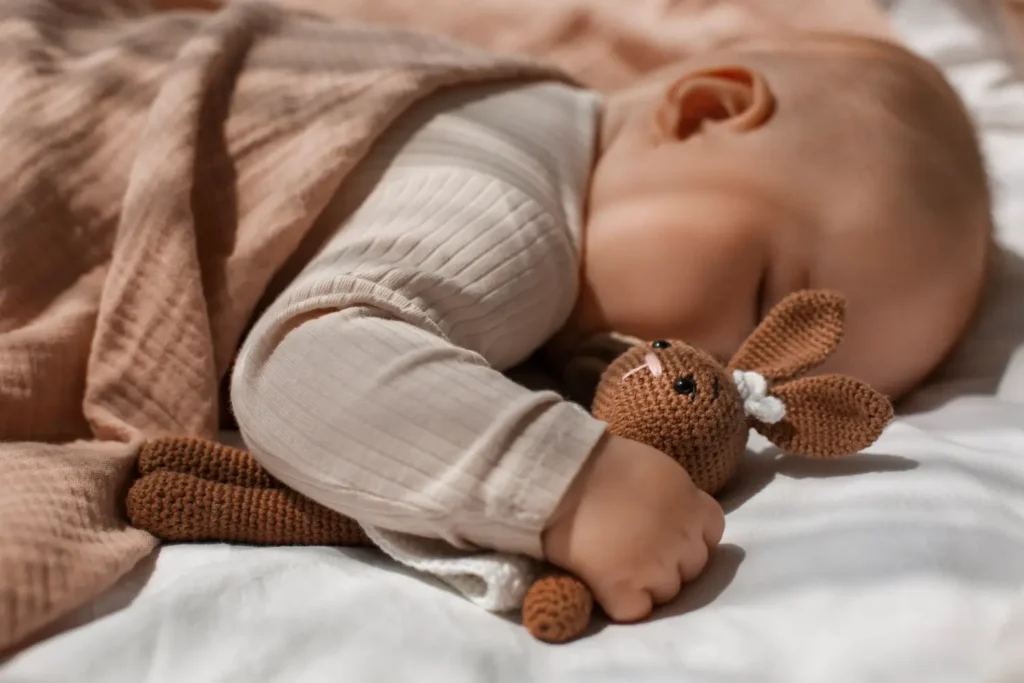
Explore why physical touch is much more than just a gesture of affection. From the biological release of oxytocin to the vital process of emotional co-regulation, this article delves into how tactile experiences shape a child’s brain, nervous system, and social boundaries. Discover the profound impact of “skin hunger” and learn practical ways to foster security and growth through the power of nurturing touch.
Touch After Childhood

Do we ever truly outgrow the need for a hug? While society often focuses on the importance of touch for developing children, the biological need for physical contact remains a lifelong requirement. This article explores the “touch deficit” in adulthood, the neurobiology of adult connection, and how maintaining tactile habits can lower cortisol and strengthen our immune systems. Learn why touch remains the ultimate “off-switch” for stress, even long after we’ve left childhood behind.
Touch and Seniors
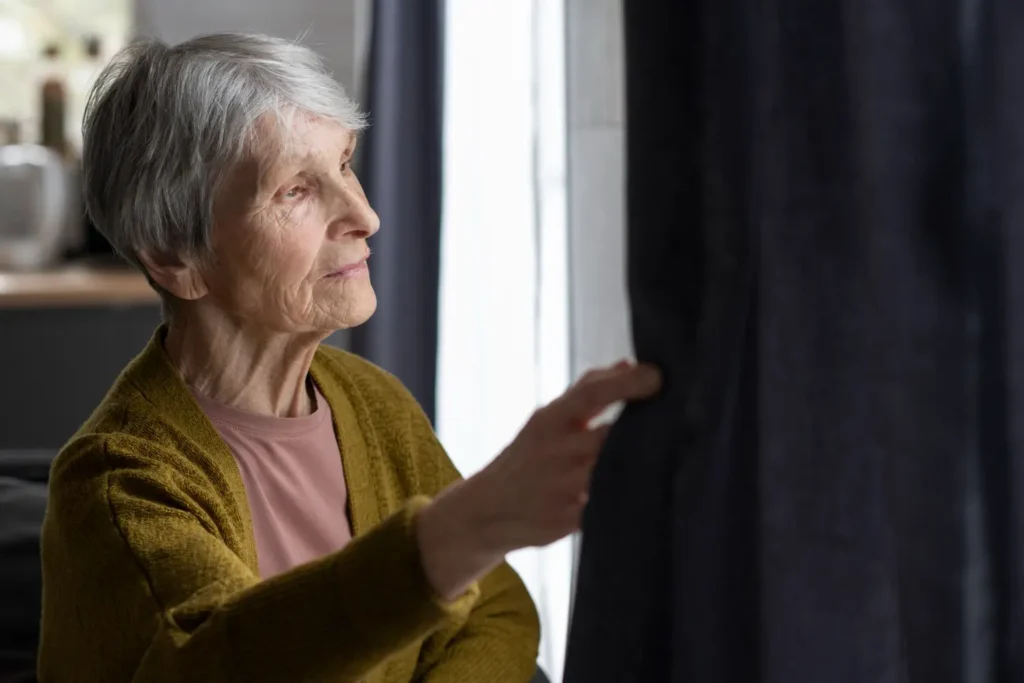
The Power of a Healing Hand: Why Seniors Need Touch More Than Ever. As we age, our world often becomes smaller and more isolated, leading to a condition known as “skin hunger.” This article explores the vital role of physical touch in geriatric care—from lowering blood pressure and managing chronic pain to reducing agitation in dementia patients. Learn why a simple gesture of affection is one of the most effective, non-pharmacological tools we have to support the health and dignity of our elders.
Seven Types Of Touch

Decoding the Language of the Skin. Not all touch is created equal. From the clinical “Functional-Professional” touch to the profound “Love-Intimacy” embrace, human contact is a complex communication system. This article breaks down the seven distinct categories of touch, exploring the neurobiology behind each one and how they shape our social hierarchies, our emotional health, and our sense of safety. Discover how understanding these nuances can help you navigate relationships and reclaim your bodily autonomy.
Culture and Touch

The Global Language of the Skin. Did you know that a friendly pat on the head or a warm hug can be interpreted as a sign of affection in one country and a grave insult in another? This article explores the fascinating world of high-contact vs. low-contact cultures, the “proxemics” of personal space, and how our cultural upbringing dictates who, when, and where we are allowed to touch. Learn how to navigate social boundaries in an increasingly globalized world while respecting the diverse ways humanity seeks connection.
Science Of Touch
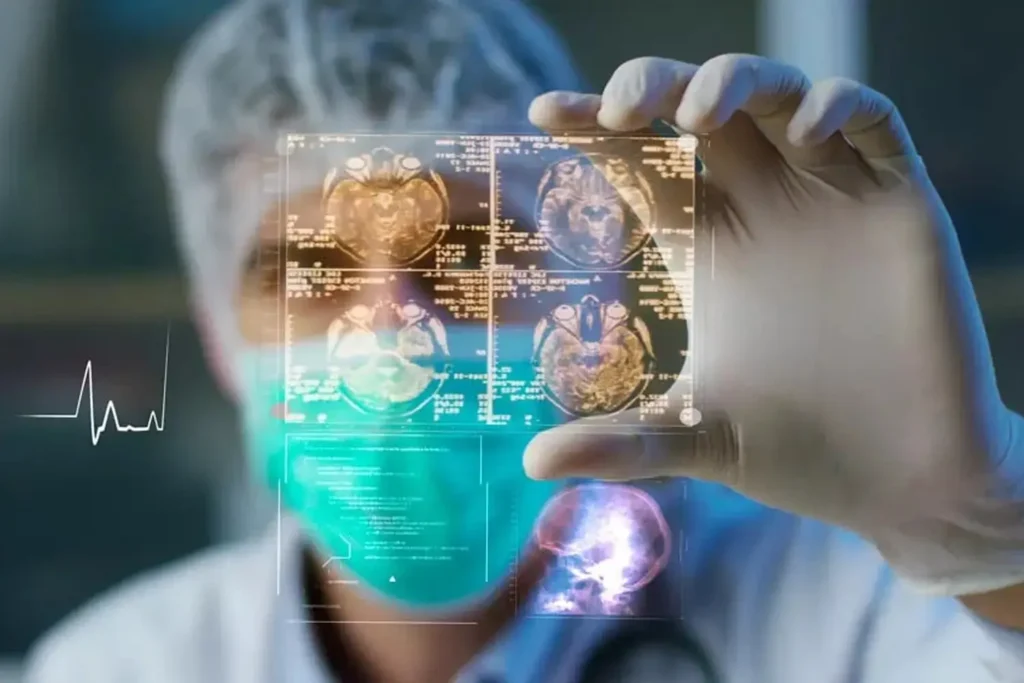
The Biological Blueprint of Connection. Beneath every hug and handshake lies a complex network of mechanoreceptors and neurochemical signals. This article explores the fascinating science of haptics, from the discovery of the “emotional” C-tactile fibers to the way touch stimulates the vagus nerve and lowers cortisol. Discover how your skin acts as a direct line to your brain’s emotional center and why physical contact is a vital biological requirement for human health and survival.
Touch and Healing

The Medicine of Connection. Long before modern medicine, there was the healing power of the human hand. This article explores the science behind “Touch and Healing,” from the Gate Control Theory of pain management to the role of “Kangaroo Care” in the NICU. Discover how physical contact can lower blood pressure, accelerate tissue repair, and provide a vital “biological reset” for the nervous system. Learn why the most powerful tool in the recovery process might not be found in a pharmacy, but in a simple, supportive gesture.
Childhood Aggression

Moving Beyond Discipline: Understanding the Roots of Outbursts. When a child lashes out, they aren’t just “behaving badly”—they are communicating a state of neurological overwhelm. This article explores the science behind childhood aggression, from the hyper-reactive amygdala to the concept of “lagging skills.”
Discover why traditional punishment often fails and how co-regulation, emotional literacy, and the power of a calm presence can help children navigate their biggest feelings safely.
Touch and Body Language
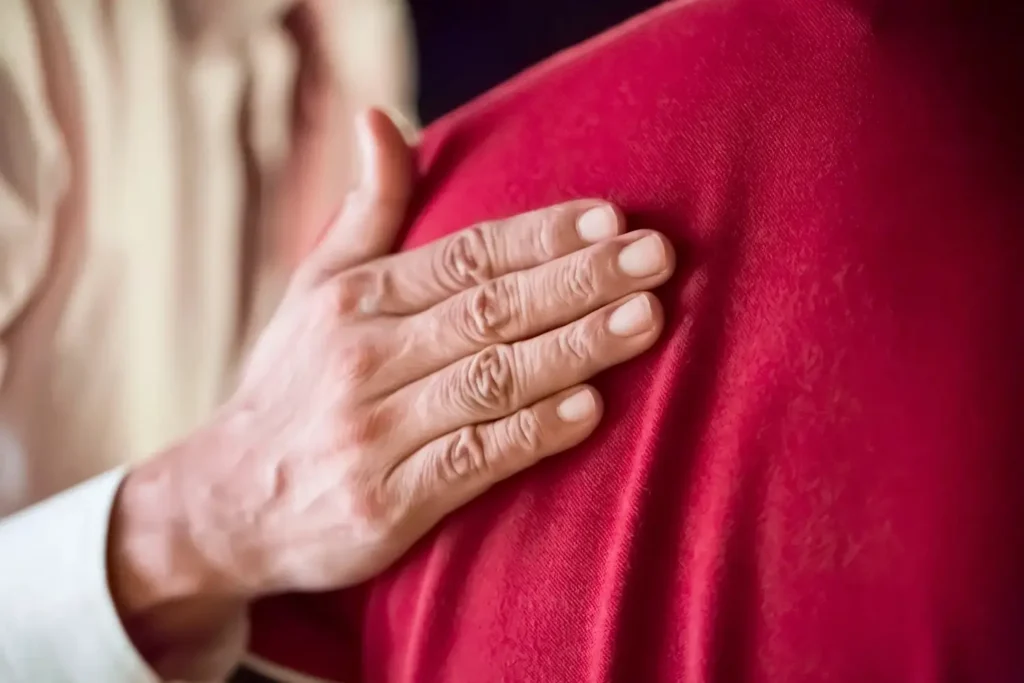
The Silent Language of the Skin. Words only tell half the story. As the most powerful form of non-verbal communication, touch can establish authority, signal empathy, or reveal hidden emotions. This article explores the “haptic” side of body language, from the power dynamics of a handshake to the subtle ways tactile withdrawal signals a breakdown in trust. Discover how to read the silent cues of physical contact and how to use the “language of the skin” to build deeper, more authentic connections in both your personal and professional life.